

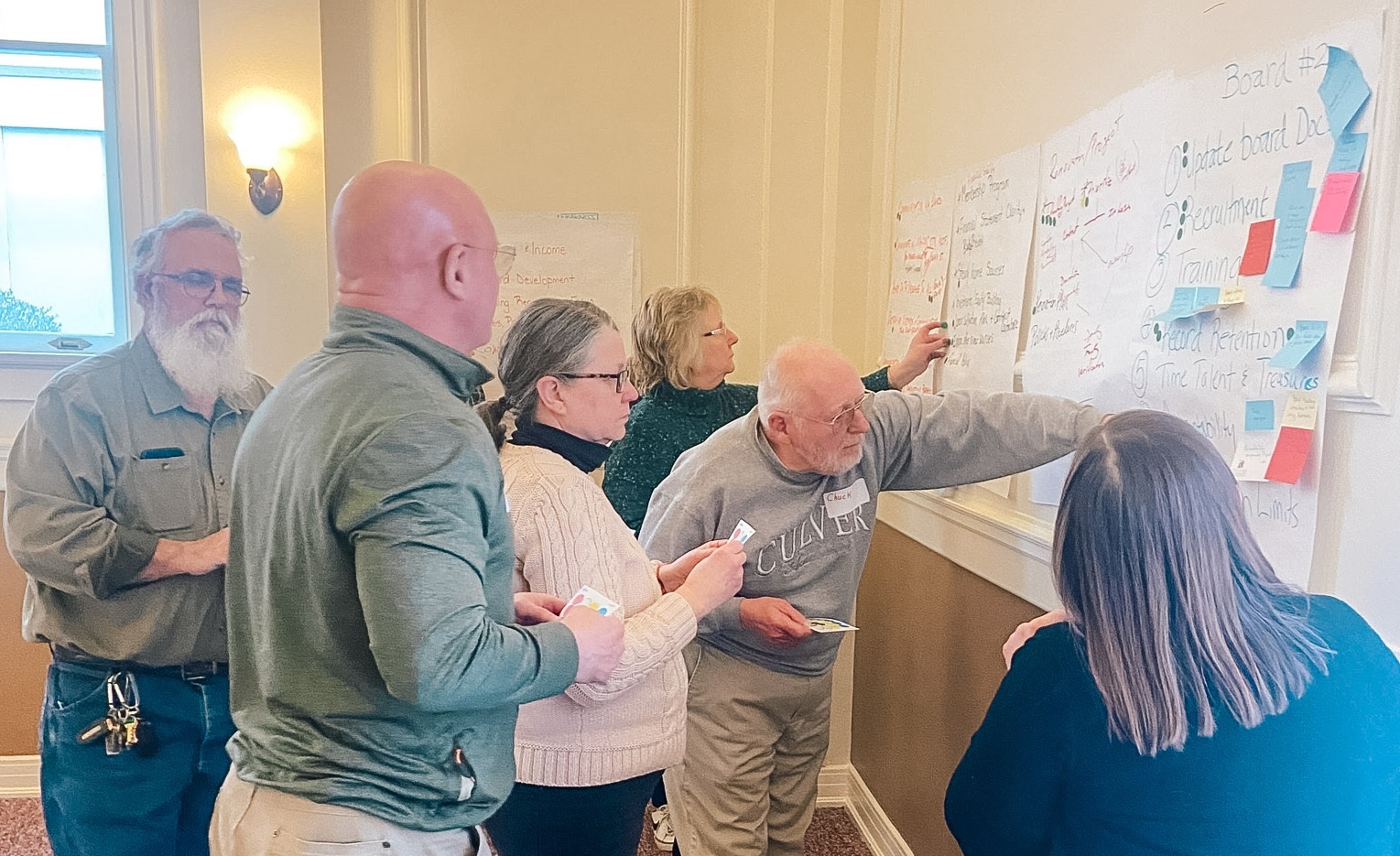
As we continue this blog series on training strategies for professional development, we turn our focus to best practices for designing impactful sessions for adult learners and making the most of in-person workshops. These best practices are meant to help nonprofit leaders keep their workshop participants engaged.
At Transform Consulting Group (TCG), we understand that adult learners bring diverse experiences, motivations, and expectations to the learning experience. Aligning training content with these factors is essential for driving meaningful engagement and results. In this blog, we share practical tips and strategies to help you create training sessions that are not only engaging but also transformative and actionable.
Benjamin Franklin’s words ring true: “Tell me and I forget, teach me and I may remember, involve me and I learn.”
Engagement Tip 1: Understanding the Adult Learning Approach
Adults thrive in a problem-solving approach to learning, as they bring their own experiences and want to actively engage in finding solutions. In contrast, children often rely on a teacher-directed approach, where the educator leads the process step by step. For adults, learning is most effective when it connects directly to real-life situations and is a hands-on, interactive experience where they can immediately apply what they’ve learned.
Engagement Tip 2: Utilizing Various Learning Styles
Incorporating a variety of learning approaches ensures your training resonates with everyone and creates a more inclusive and effective learning experience.
- For the visual learner, creating appealing slides with charts, diagrams, and images. Incorporating discussions, podcast clips, or videos reinforces learning for auditory learners.
- For kinesthetic learners, creating hands-on activities and movement throughout the training. Some participants’ learning is best done through reading and writing, so using materials like toolkits, handouts, or guides reinforces and supports their learning.
- Social learners enjoy peer learning, partnering up, or small group work as they learn more effectively through active collaboration.
Finally, independent learners prefer self-paced and quiet time to review materials and determine how best to apply the new learning.
Engagement Tip 3: Developing Engaging Learning Experiences
A poorly designed setting can hinder focus and reduce participants’ ability to absorb information. Using the SPECH framework ensures a learning and engagement environment:
- Social: Foster connection and belonging with welcome signs, name tags, group activities, breaks, and networking opportunities.
- Physical: Ensure comfort with appropriate room temperature, lighting, layout, ventilation, and access to necessary equipment.
- Emotional: Build trust and respect by acknowledging contributions, fostering inclusivity, maintaining confidentiality, and providing authentic, constructive feedback.
- Cognitive: Help participants see the value in their learning by connecting new information to their experiences, highlighting benefits, and offering practical applications and practice opportunities.
Holistic: Embrace diversity by using inclusive language, recognizing cultural differences, and accommodating various learning styles and preferences.
Engagement Tip 4: Mastering the Art of Facilitation
Facilitation is more than just delivering content—it’s about creating an experience for your participants. Creating quality content is dependent on understanding your participants and defining learning objectives to ensure your training meets their needs and goals. Quality facilitation incorporates engagement activities like group discussions, hands-on exercises, or role-playing to keep participants involved and connected to the material. Finally, tools like a project brief and facilitation guide outline the logistics, content structure, and flow, ensuring everything runs smoothly and fits within the allotted time.
Whether you are facilitating a meeting with your team or leading a training, you are sharing and transferring knowledge to adults. We hope that these tips help you get the most out of your time with your peers and colleagues!
If you’re interested in exploring how Transform Consulting Group can help design a tailored nonprofit training series that aligns with your organization’s mission and goals, we’d love to connect and start the conversation.