


STEM stands for science, technology, engineering, and mathematics. This educational approach integrates technology and engineering with traditional math and science instruction to create a more comprehensive curriculum.
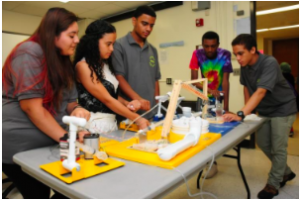
STEM education moves away from traditional teacher-centered methods by emphasizing problem-solving, discovery, exploratory learning, and hands-on activities. Some programs include art, expanding the acronym to STEAM. Incorporating art fosters creativity and flexible thinking in science and mathematics.
Workforce and economic development experts emphasize the importance of a STEM/STEAM focus, which contributes to its current prominence.
- According to the U.S. Department of Commerce’s Economics & Statistics Administration, STEM career opportunities have grown three times as fast as non-STEM jobs over the past 10 years.
- In 2018, 2.4 million STEM jobs in the U.S. were projected to remain unfilled due to a shortage of qualified workers.
- STEM occupations offer wages significantly above the national average. The average wage for STEM roles was $87,570, nearly double that of non-STEM occupations at $45,700.
Recently, our team assisted a non-profit organization in applying for a 21st Century Community Learning Center (CCLC) grant. The organization provides after-school programs for middle and high school students. Their application included integrating STEAM into the weekly curriculum and connecting students to local STEAM career pathways. During this process, the organization identified four significant benefits.
Benefits of a STEAM / STEM Curriculum:
- Support students in achieving their postsecondary education and career objectives.
- Address gaps in the community’s career pathways.
- Facilitate the development of new partnerships.
- Create opportunities to secure additional funding for program sustainability.
1. Help students accomplish their postsecondary education attainment and career goals.
Offering a STEM/STEAM-focused curriculum helps students develop the skills, knowledge, and experiences needed for success in postsecondary education and future careers. This approach fosters community partnerships, enabling students to participate in internships and apprenticeships. It also creates opportunities for creative academic enrichment that supports academic growth, social and emotional development, civic engagement, and wellness. Introducing students to a range of STEM/STEAM careers helps them identify their educational and career pathways.
2. Address the community’s career pathways gap.
Implementing a STEM/STEAM program helps prepare your community for workforce needs by developing essential skills. For example, in the context of the 21st CCLC grant application, a STEM/STEAM focus can benefit the entire county. In one participating school district, 55% of students enrolled in college within a year of graduation. However, many do not complete their degrees.
Currently, only 29% of county adults hold an Associate’s degree or higher, which is less than half of those who enrolled in postsecondary education and below the state’s goal of 60%. Manufacturing, which offers high-skilled and high-paying jobs, accounts for nearly half of local employment. Expanding students’ awareness of STEM-related careers and strengthening partnerships and career pathways can significantly impact the county’s future.

3. Pave the way for new partnerships.
A structured STEM/STEAM curriculum enables organizations to leverage local partnerships and strengthen programming. In our experience, many community businesses facilitated field trips, presentations, and hands-on activities, enriching students’ learning and introducing them to local career pathways. This provides students with valuable insight as they consider post-graduation options and helps businesses maintain a strong workforce pipeline.
4. Open doors for securing additional funding to sustain the program.
With the growing emphasis on STEM and STEAM, there are many funding opportunities available to support your work. Funders recognize the importance of these areas in education and workforce development and seek organizations that can address this need effectively. For example, the 21st CCLC grant awarded priority points to organizations incorporating STEM or STEAM into their programs. Substantial data is available to help engage local businesses and philanthropic partners. A clear, focused curriculum can also create new opportunities for additional funding.
As education and technology continue to transform the way we live, work, and learn, STEM/STEAM is worth considering for organizations serving young people. If your organization is ready to take the plunge and shift your curriculum focus, we’d love to work with you. We can help find funding, research programs, write your grant, evaluate existing efforts, and more. Contact us today and let’s chat!